 By admin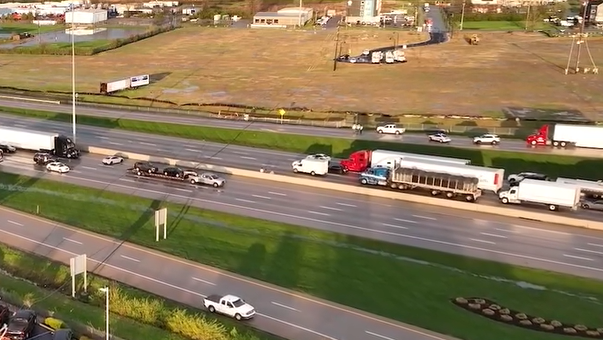
What Led to the I-75 Power Line Shutdown
The I-75 power line shutdown has become a focal point of discussion due to its significant implications for both the local community and infrastructure. Various factors contributed to this essential decision, prominently including maintenance requirements, safety regulations, and environmental conditions. Each of these aspects necessitated a thorough evaluation before proceeding with the shutdown.
Maintenance requirements are a primary consideration in any power line operation. Regular inspections and repairs are crucial to ensure that the infrastructure remains safe and efficient. In the case of the I-75 power line, engineers identified specific sections that required urgent attention due to wear and potential hazards that could threaten both power continuity and public safety. Prioritizing maintenance creates a foundational layer of reliability that ultimately leads to informed decisions about implementing shutdowns.
Moreover, safety regulations stipulated by governmental bodies further influenced the shutdown decision. These regulations are designed to mitigate risks associated with power line operation and to protect both the workers involved and the public. Compliance with safety standards ensures that any maintenance or repair work carried out is done so in a thoroughly regulated environment. Regulatory frameworks help guide the shutdown timeline and procedures, emphasizing the necessity of risk assessments before undertaking such measures.
Environmental conditions also served as a pivotal factor in the decision-making process. Adverse weather events, such as storms or heavy snowfall, can compromise the integrity of power lines, thus prompting immediate action. A careful analysis of weather patterns and their potential impact on the I-75 power line led to the conclusion that a shutdown was imperative to safeguard both infrastructure and the surrounding environment. These intersecting factors illustrate the complexity involved in planning events related to power line operations and highlight the necessity for strategic foresight in infrastructure management.
Immediate Effects on Traffic and Infrastructure
The recent I-75 power line shutdown has presented significant immediate repercussions for both traffic patterns and the broader infrastructure in the surrounding area. As the power lines became inoperative, local authorities were compelled to implement strategic detours to mitigate congestion and maintain flow on this critical transportation route. Commuters who regularly utilize I-75 were faced with altered travel plans, often resulting in increased travel times as they adjusted to the newly established detours. The lack of signage and timely information about alternative routes initially compounded the delays. It is imperative to note that the volatility in traffic conditions has prompted a swift reaction from local traffic management systems.
Local authorities faced multiple challenges in addressing the demands of affected commuters. Many drivers were uneasy and frustrated due to the sudden changes in traffic patterns, resulting in isolated incidents of road rage and altered driving behavior. Emergency services, accustomed to specific routes for rapid response, also experienced delays as they navigated the new challenges presented by the traffic situation. Furthermore, public transportation options were strained, with buses and shuttles operating on modified schedules to accommodate the influx of riders who were unable to use I-75.
In addition to the direct impacts on road traffic, the I-75 power line shutdown raised concerns regarding infrastructure stability. Some reports indicated that frequent stoppages and detours led to a heightened wear-and-tear on less-traveled roadways. Local officials have begun assessing damages and disruptions to evaluate the resilience of infrastructure in the wake of such unforeseen occurrences. The immediate effects on traffic patterns and infrastructure during the I-75 power line shutdown highlight the delicate balance of transportation systems in modern urban environments and the urgent need for adaptable solutions in crisis situations.
Community Response and Adaptations
The I-75 power line shutdown has had a significant impact on local communities, prompting various responses from residents, businesses, and emergency services alike. In the wake of this unexpected disruption, local residents expressed a mix of frustration and concern, recognizing the challenges presented by the power line outage. Many took to social media platforms to voice their opinions and share information about the situation, suggesting alternative routes to circumvent the congestion caused by rerouted traffic.
As traffic increased on side roads, drivers adapted by altering their daily commutes, utilizing local roads that were often less familiar. Some residents reported discovering new neighborhoods and local businesses along these detours, leading to an unintentional boost in community engagement. This shift in traffic flow allowed some businesses, especially those situated along alternative routes, to benefit from increased foot traffic. Retailers and restaurants capitalized on this influx, promoting special offers for customers who found them while navigating around the congested I-75 corridor.
Emergency services faced unique challenges during the I-75 power line shutdown due to the altered traffic patterns. Responding quickly to calls for assistance became more complex as first responders adapted their routes to ensure timely interventions. In response to this, local emergency management agencies coordinated efforts to provide guidance on alternative paths for emergency vehicles, ensuring public safety remained a priority through community collaboration.
In addition to the changes in transportation and commerce, grassroots initiatives emerged as a significant aspect of community adaptation. Local organizations began organizing information sessions to educate residents on navigating the altered traffic and share resources for further updates on the ongoing situation. This initiative fostered a sense of unity among community members, illustrating how challenges can catalyze collaborative responses and local resilience.
Future Measures and Improvements Post-Shutdown
In light of the recent I-75 power line shutdown, it is crucial to evaluate the future measures that can be implemented to enhance infrastructure resilience and prevent such incidents from recurring. First and foremost, local transportation and energy authorities must conduct thorough assessments of existing power line configurations and associated infrastructure. This proactive approach could lead to recommendations for upgrades, including relocating vulnerable power lines underground or enhancing safeguards against extreme weather conditions that could jeopardize electricity transmission.
Advancements in technology also play a pivotal role in improving power line management. The adoption of smart grid technologies can facilitate real-time monitoring of power lines, allowing for immediate identification of potential failures. These technologies employ sensors that provide critical data, which can help in assessing the integrity of the power infrastructure. Furthermore, integrating artificial intelligence into infrastructure management can aid in predicting and mitigating risks, enhancing overall system reliability.
Potential legislative actions should also be on the agenda following the I-75 power line shutdown. Policymakers may consider implementing stricter regulations that enforce regular inspections and maintenance of power line networks. Such measures would not only improve operational safety but also encourage utility companies to prioritize infrastructure integrity. Additionally, fostering collaborations between transportation and energy sectors could lead to more coordinated efforts in managing shared resources sustainably.
Another essential aspect is preparing local communities through public awareness campaigns. Educating residents on the importance of infrastructure safety and the implications of power line management can cultivate a more informed citizenry. By fostering community preparedness, local governments can encourage public engagement in the planning processes and improve emergency response strategies, ultimately enhancing the resilience of infrastructure in the face of future challenges.